


The newly added method for determining residues of plant growth regulators in the 2025 Pharmacopoeia has been reviewed and approved
Introduction
Recently, the draft of the National Drug Standard for Determination of Residues of Plant Growth Regulators has successfully passed the review of the National Pharmacopoeia Committee. It is worth mentioning that there were no relevant standards and testing methods for the determination of plant growth regulator residues in the Chinese Pharmacopoeia before. The release of this draft fills this gap, making the pharmacopoeia standard system more complete and providing a more comprehensive basis for the quality control of traditional Chinese medicine. The draft mainly uses liquid chromatography tandem mass spectrometry to determine the residual amount of some plant growth regulators in medicinal materials, decoction pieces or preparations. Shimadzu Corporation actively responded and developed a comprehensive solution for plant growth regulator testing, providing assistance to relevant institutions and enterprises, allowing everyone to face such testing work calmly.
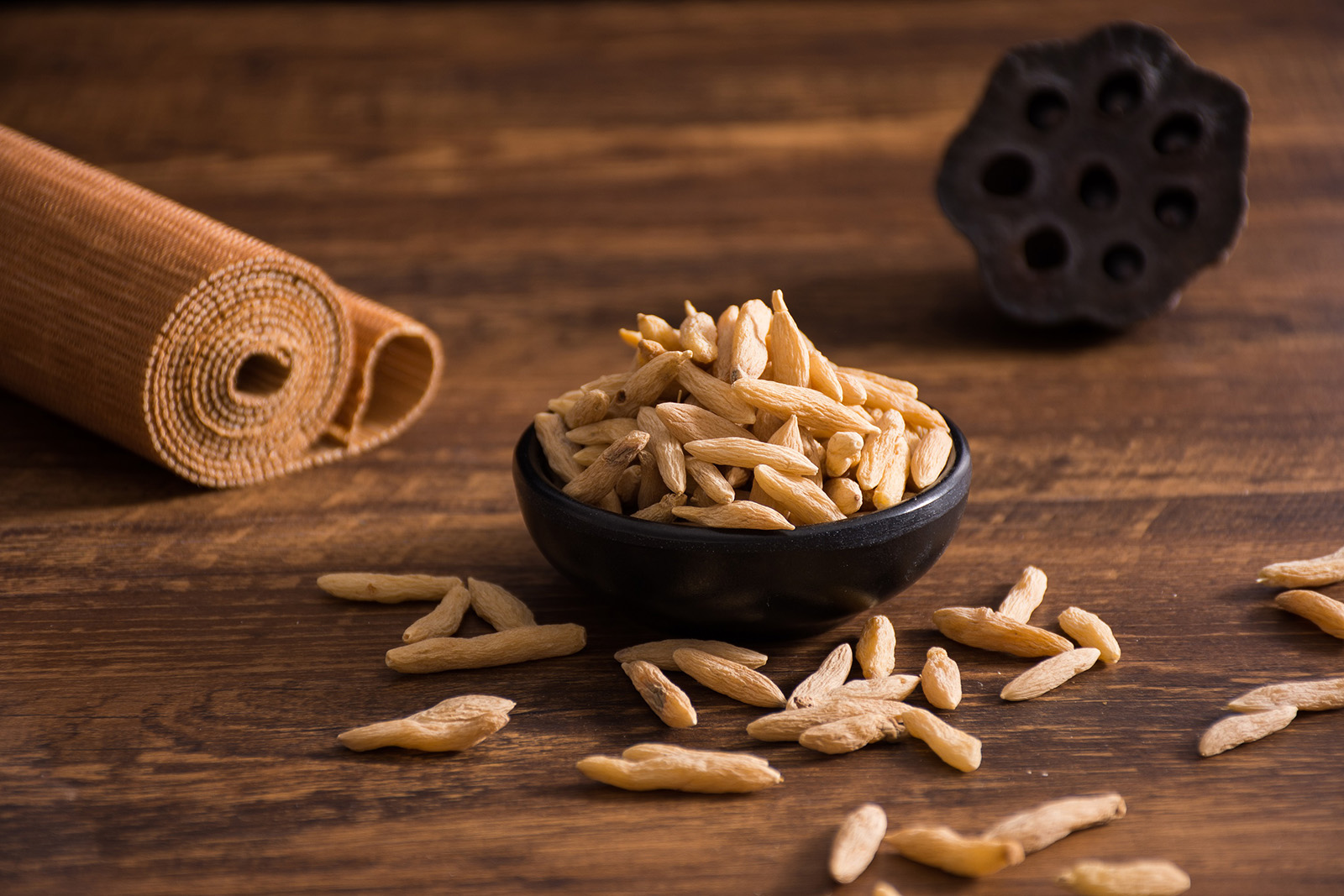
Application of plant growth regulators in traditional Chinese medicine
Plant growth regulators (PGRs) are a class of substances that have similar physiological and biological effects to plant hormones. These compounds can regulate the growth and development of plants at various stages through external application, playing an important role in enhancing plant stress resistance, promoting plant growth and development, and increasing yield.
At present, it is very common for artificially planted Chinese medicinal materials in China to apply plant regulators in the growth process to improve the output and quality of medicinal materials. However, research has shown that excessive use of plant extracts may have an impact on the quality of traditional Chinese medicine, leading to changes in some effective ingredients and posing safety hazards to people's health.
Table 1 Main Categories of Plant Growth Regulators
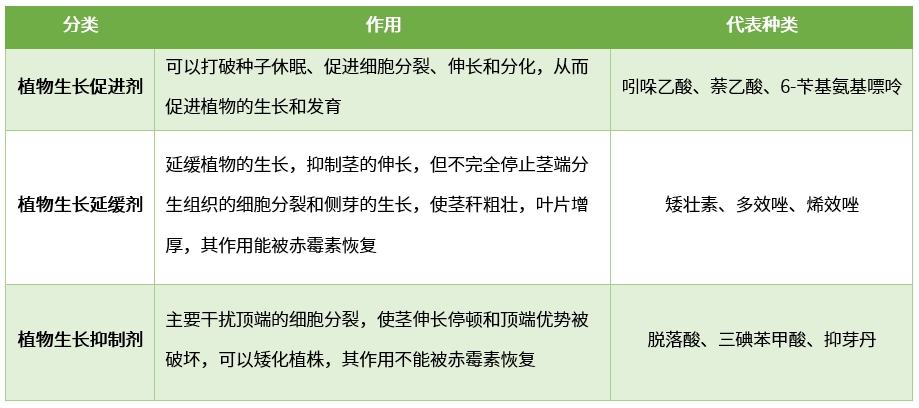

The draft of plant growth regulators approved this time is the first regulation on the detection of plant growth regulators in traditional Chinese medicine issued by the National Pharmacopoeia Commission. It systematically studies and standardizes the selection of plant growth regulator varieties, collection of representative samples, high-throughput screening techniques, and water-soluble plant growth regulator detection techniques, improving the scientificity and accuracy of detection methods. Due to the involvement of multiple plant adjustment varieties and significant differences in compound polarity, three methods were used for detection. In addition to the first method, separate methods were established for detecting water-soluble plant adjustments that cannot be analyzed using QuEChERS technology and ethylene with low response.
-Shimadzu Plant Adjustment Solution -
Corresponding testing plans have been established for the first, second, and third methods of the public notice, fully covering the public notice
In addition to the 59 compounds listed in the public draft, the first method also incorporates an additional 7 plant adjustments, expanding the scope of detection
The use of co injection function can effectively eliminate solvent effects and improve peak shape
Simultaneous scanning of positive and negative ions, one injection can complete all compound detection

Determination method for residual levels of 66 plant growth regulators
Main method parameters
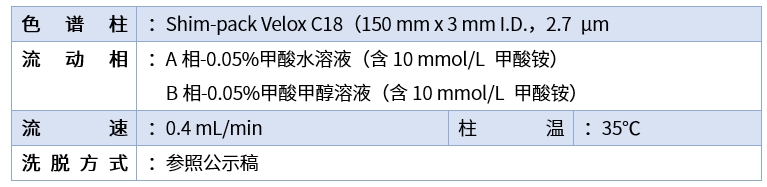
Reference chromatogram
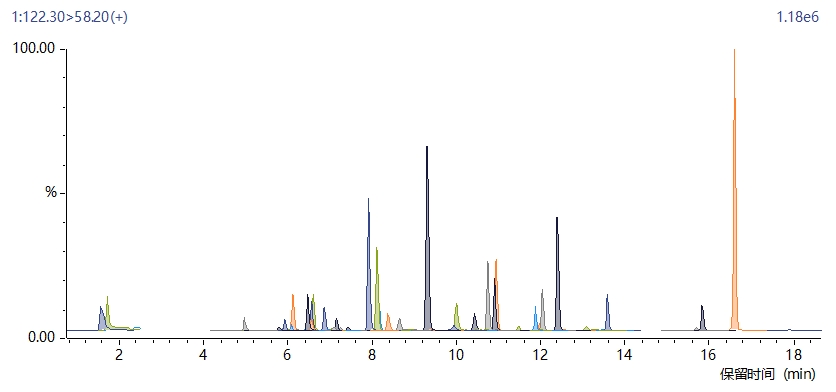
Figure 1. MRM chromatograms of 66 plant growth regulators and internal standards in white peony matrix (100 μ g/L)
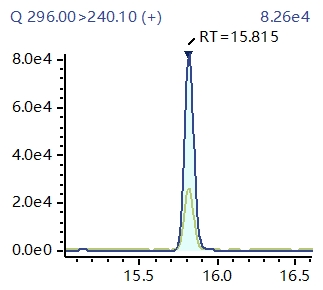 butralin
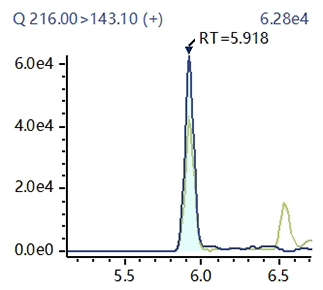 diethyl aminoethyl hexanoate
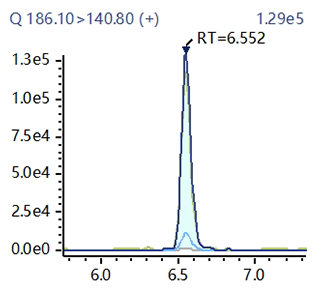 naphthalene acetamide

 diethyl aminoethyl hexanoate
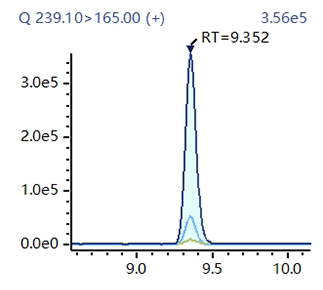 figaron
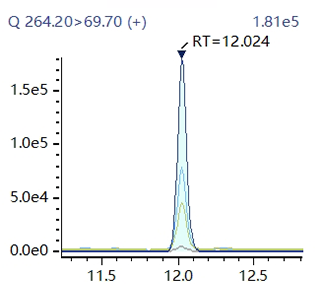 triapenthenol
 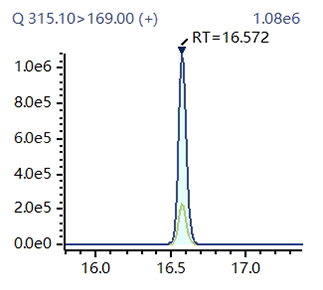 tribufos



Figure 2. MRM chromatograms of some compounds (10 μ g/L)
calibration curve
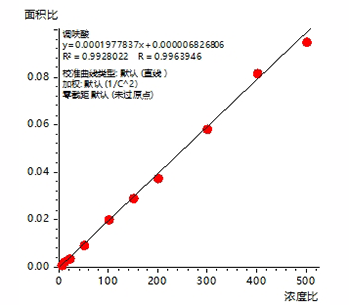
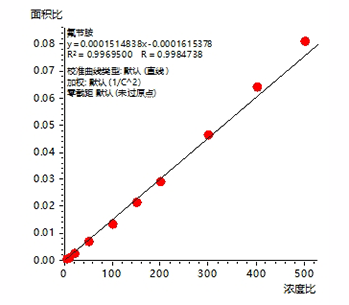
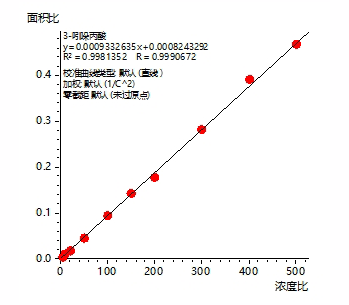
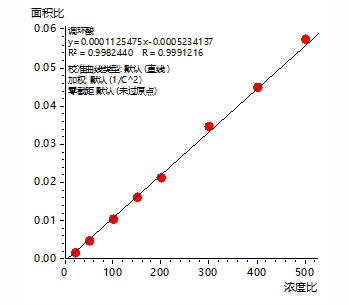
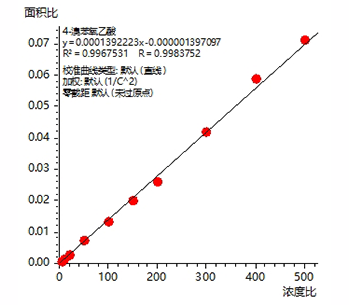
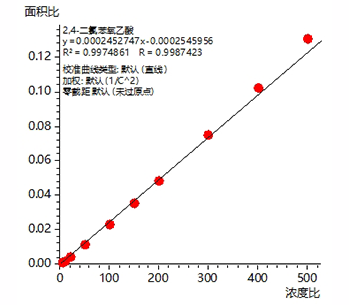
Figure 3. Calibration curves of some compounds
repeatability
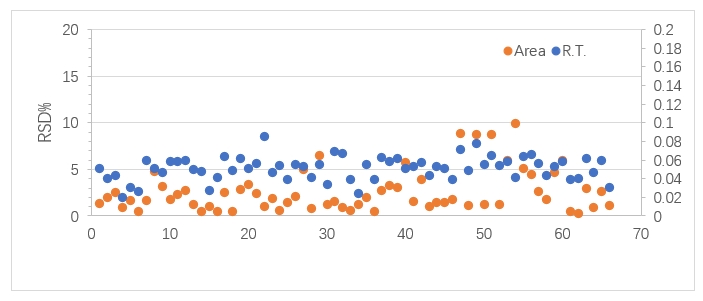
Figure 4. Retention time and peak area repeatability (100 μ g/L)
Experience sharing
1) For compounds with low response, high-sensitivity adduct ions can be selected as precursor ions for detection based on optimization results.
2) If trans zeaxanthin and pyridyl alcohol encounter solvent effects, the Co injection function of Shimadzu instruments can be used to improve them.
Determination method for residual levels of 9 water-soluble plant growth regulators
Main method parameters
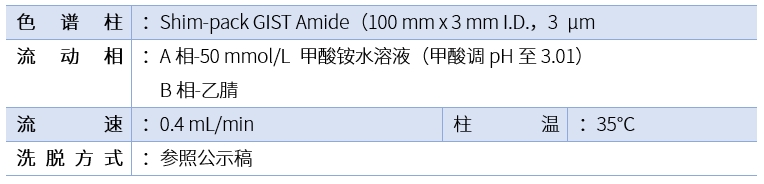
Reference chromatogram
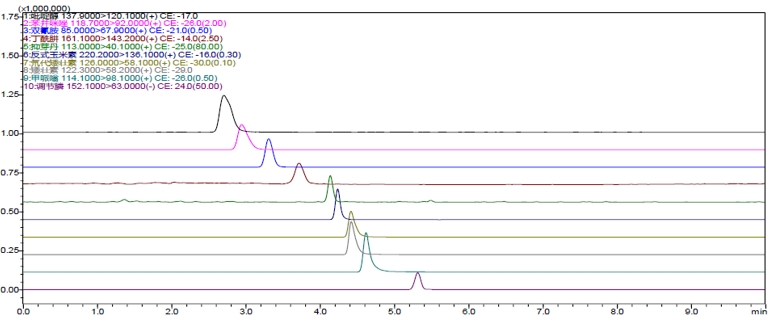
Figure 5. MRM chromatograms of 9 plant growth regulators and internal standards in Platycodon grandiflorum matrix (concentration calculated as benzimidazole: 5 ng/mL)
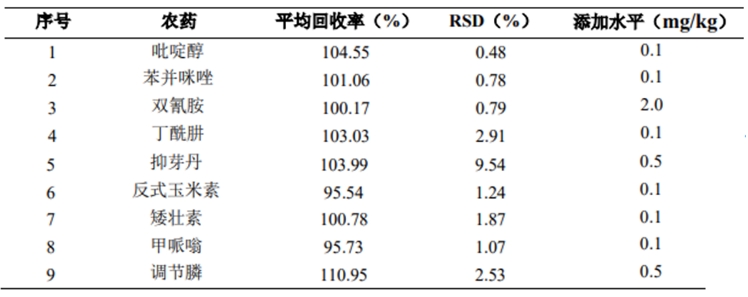
The recovery
Experience sharing
1) Benzopyrazole and pyridyl alcohol can be improved by the Co injection function of Shimadzu instruments when encountering solvent effects.
2) Ensure the recovery rate of trans zeaxanthin and avoid adding GCB during the pretreatment process.
Ethylene residue determination method
Main method parameters
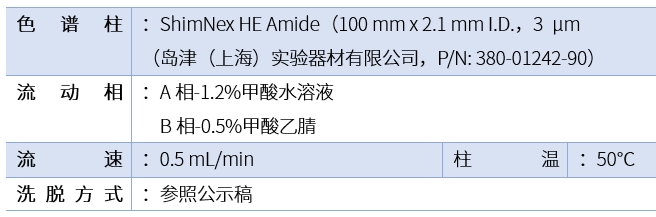
Reference chromatogram
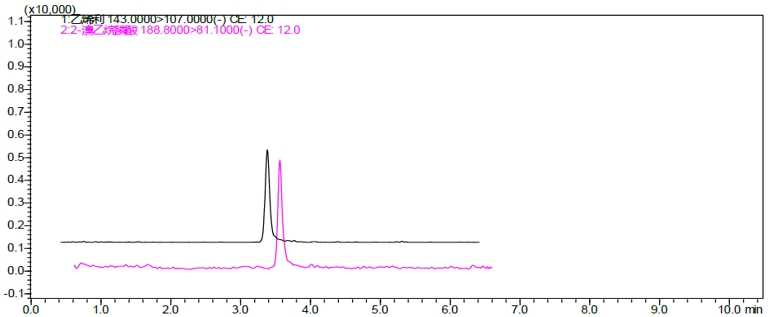
Figure 6. MRM chromatogram of ethephon and internal standard in Codonopsis pilosula matrix (10 ng/mL)
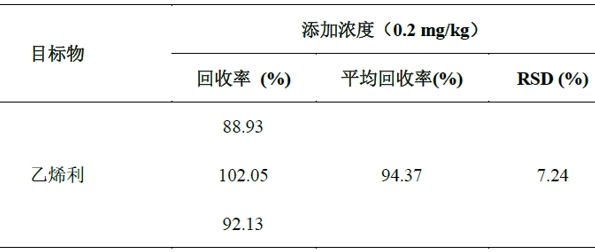
The recovery
Experience sharing
1) Ethylene requires the use of PP sample bottles SHIMSEN Vial (P/N: 380-00509) to prevent degradation.
2) Ethylene internal standard ion pairs can be selected with high sensitivity for detection based on optimization results.
conclusion
In today's highly anticipated field of traditional Chinese medicine, the quality and safety of Chinese medicinal materials have become of paramount importance. Although plant growth regulators can regulate growth and increase yield in traditional Chinese medicine cultivation, improper use can result in residues that threaten human health. The newly added method for detecting plant growth regulators in traditional Chinese medicine in the 2025 edition of the Pharmacopoeia has passed the review, marking a new stage in the quality supervision of traditional Chinese medicine. In the future, with the continuous development of technology, Shimadzu mass spectrometry will continue to help improve the quality of traditional Chinese medicine and safeguard the healthy development of the traditional Chinese medicine industry.